5 Car AC Problems That Get Worse in Heavy Traffic
Maintaining a reliable cabin cooling system is a core prerequisite for daily driver focus and physical comfort during long commutes. Among the various mechanical networks that operate inside a modern vehicle, the air conditioning loop faces its most severe operational stress when the vehicle is idling or moving slowly. When a vehicle sits trapped in gridlock, attempting to ignore a minor drop in cooling efficiency can introduce severe mechanical liabilities to your engine bay. Investing in professional car AC repairs represents a vital strategic decision that transforms routine climate upkeep from a frustrating daily hassle into a well-managed vehicle preservation routine. Establishing a consistent diagnostic protocol for your climate loop ensures that your vehicle functions perfectly and handles intense summer heat spikes with absolute ease.
Changing driver habits and shifting economic patterns continue to alter how vehicles are maintained across the country. Investing in a consistent, professional diagnostic routine reflects a deep commitment to vehicle excellence, directly protecting your internal dashboard electronics, passenger comfort, and long-term resale value. According to AutoLeap, used car sales rose by about 9% from 2019 to 2025. This steady growth in the pre-owned vehicle market highlights why keeping existing automotive climate networks running smoothly is more important than ever, as older systems naturally require more attention to handle the intense thermal stress of stop-and-go driving. Understanding the mechanical, chemical, and airflow issues that plague your vehicle's cooling loops allows owners to shield their automotive investments from expensive secondary engine failures.
A professional technician never approaches climate troubleshooting based on casual guesswork or cheap retail refrigerant cans from a local auto parts store. A dedicated mechanic begins every inspection with a multi-point physical survey of your system pressure lines, fan shroud clearances, and drive belt tension. Diagnostic crews utilize pressure gauges to track real-time refrigerant flow well before structural leaks can completely drain the system. This meticulous testing phase establishes a clear blueprint for the physical fix, uncovering hidden structural restrictions inside the nose of the vehicle before high summer temperatures cause total system shutdown.
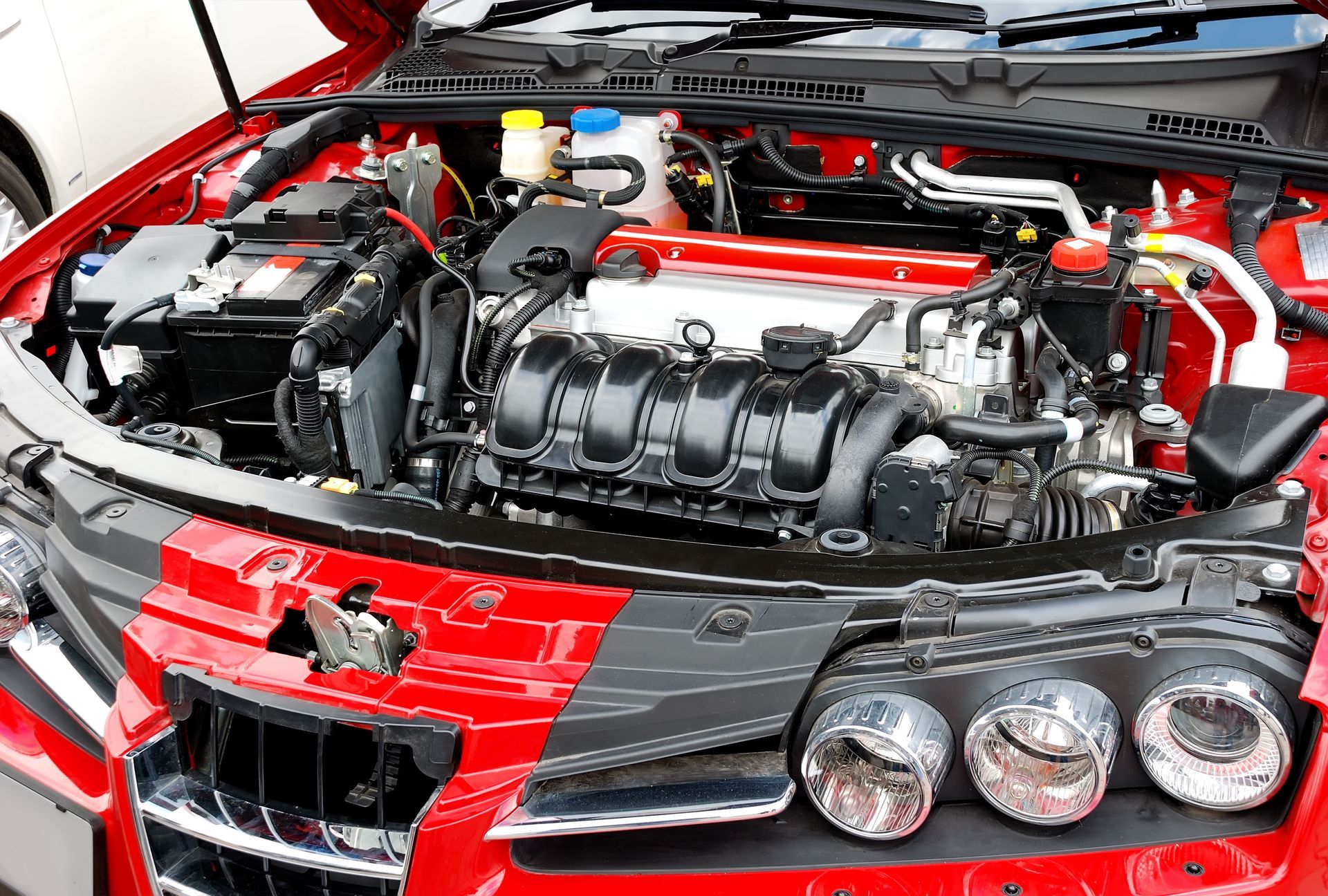
The physical exchange of heat inside the engine bay requires constant, high-volume airflow across the front grill of the moving vehicle to drop temperatures effectively. When your car is trapped in heavy traffic, the natural ram-air effect completely disappears, forcing your cooling fans to do all the work of pulling away intense engine heat. Eliminating the risk of thermal backup protects your interior cabin atmosphere, prevents the engine block from overheating, and keeps your system working efficiently. Keeping your cooling loops free of debris ensures rapid heat rejection and maintains a safe, comfortable interior environment.
1. Electric Condenser Fan Failures
When your vehicle is cruising down the open highway, a massive volume of ambient air naturally rushes through the front grill, cooling down the hot AC condenser coils without requiring much mechanical help. However, when you drop into heavy traffic, your vehicle loses this natural wind, making you entirely dependent on the electric condenser fan to manually pull air through the system. If this fan motor is weak, blown out, or has bad electrical connections, the heat simply builds up inside the nose of your vehicle.
This thermal backup causes your interior cabin air to rapidly turn lukewarm, thick, and humid exactly when you are stuck in gridlock. The sudden loss of cooling occurs because the stagnant air cannot drop the pressure of the hot refrigerant gas inside the lines, forcing the system to blow warm air into the dashboard vents. Bringing your car in for professional
car AC repairs allows technicians to swap out failing fan assemblies and test the underlying electrical relays before a minor electrical glitch bakes your entire cooling network.
2. Low Refrigerant Volume and System Leaks
A minor pinhole leak in an aluminum AC line or a decaying rubber seal might pass unnoticed when you are driving at high speeds, as the spinning engine keeps the system running at maximum output. In contrast, sitting in slow traffic drops your engine speed down to a low idle, which significantly reduces the operational speed and pumping capacity of your AC compressor. When your system is short on refrigerant gas, this low-idle state makes it completely impossible for the compressor to maintain the necessary cooling pressures.
As a result, your dashboard vents will start blowing warm air the moment your foot hits the brake pedal, only returning to a cool temperature once traffic breaks and you accelerate down the road. This constant cycling places immense physical strain on the internal seals of your compressor, leading to premature mechanical failure and high replacement costs.
3. Compressor Clutch Slippage and Mechanical Fatigue
The compressor clutch is a mechanical locking hub that physically engages and disengages your engine's drive belt to power the interior cooling system as needed. When you are trapped in gridlock, the temperature inside the engine bay climbs to extreme levels due to the heat radiating off the surrounding asphalt and nearby exhaust pipes. This blistering under-hood heat causes the metal components inside the clutch assembly to expand naturally, while the electrical resistance inside the clutch engagement coil spikes dramatically.
If the clutch face is worn thin or the electrical coil is weak, this intense heat causes the hub to slip, disengaging the pump and cutting off your cold air supply completely during long idles. The constant friction from a slipping clutch generates massive heat that can melt nearby drive belts and destroy the front bearings of your engine pump.
4. Clogged Cabin Air Filters and Restricted In-Cabin Airflow
Relying on an old, dust-clogged cabin air filter severely restricts the overall volume of air that your interior blower motor can push through your dashboard vents. When you are sitting in heavy traffic, your vehicle is continuously enveloped in a dense cloud of hot, toxic exhaust fumes, soot, and tire dust released by the surrounding vehicles. If your interior filter is completely packed with old debris, it loses its ability to trap these incoming pollutants, filling your cabin with foul odors and triggering respiratory irritation for your family.
5. Expansion Valve Blockages and Internal System Contamination
The expansion valve acts as a critical regulatory gateway within your vehicle's cooling loop, precisely metering the flow of liquid refrigerant into the interior evaporator core to match your target temperature settings. Over years of constant operation, internal desiccant bags can break open, releasing tiny silica beads, metal shavings, and black sludge directly into the high-pressure fluid lines. When your engine drops down to a low traffic idle, the reduced fluid pressure allows these loose contaminants to settle and jam the tiny internal needle valve completely shut.
Every modern vehicle requires a foundation built on absolute precision and preventive care to truly thrive in fast-paced road environments. Securing a trusted local technician removes the administrative and mechanical burden from your personal schedule, allowing you to operate your vehicle with complete peace of mind on every journey. By aligning your personal transportation goals with customized, high-value property and automotive maintenance routines, you safeguard both your short-term family budget and your long-term vehicle security.
When you commit to an intentional program of automotive care, you unlock higher output from your machine and establish an undeniable foundation for elite driving comfort. To discover how tailored solutions can transform your daily commute and support your vehicle longevity goals, visit Crossroads Automotive online today to view your maintenance options.