July 13, 2026
Operating a motor vehicle is one of the most common yet inherently risky activities individuals engage in on a daily basis. When engineering modern automobiles, manufacturers incorporate advanced structural designs, intricate computer systems, and layers of mechanical redundancies to safeguard occupants during transport. However, the operational integrity of these protective mechanisms deteriorates under the continuous strain of daily driving, environmental exposure, and component wear. The direct relationship between diligent mechanical maintenance and physical safety cannot be overstated. When a vehicle leaves the assembly line, its protective features function at peak efficiency, but maintaining that baseline requires ongoing professional attention. Neglecting mechanical anomalies creates a cascading sequence of systemic failures that compromise driver control, passenger security, and pedestrian safety.
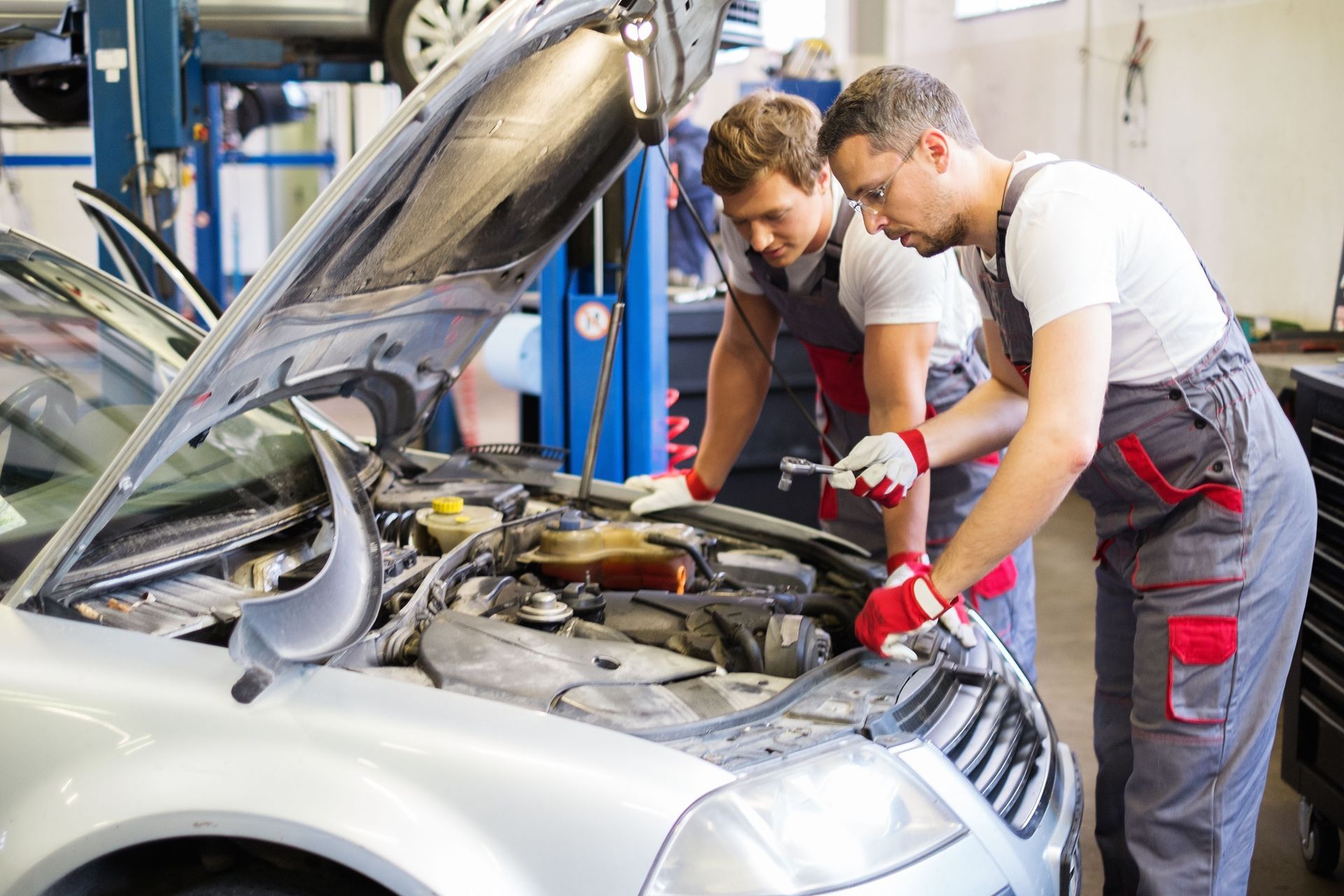
To preserve structural integrity and prevent unexpected failures, relying on certified professionals is a necessity. Securing consistent automotive maintenance ensures that subtle wear is identified long before it translates into catastrophic failure. Drivers frequently underestimate how closely interwoven individual vehicular components are, assuming that a minor rattle or slight fluid leak is inconsequential. In reality, the failure of a single minor component can rapidly accelerate the degradation of primary safety structures. Through regular engagement with comprehensive automotive care, motorists actively mitigate the hazards associated with mechanical degradation. This preventative methodology protects individual vehicle occupants while fostering a more secure environment for everyone sharing the public roadways.
Maintaining Optimal Braking Efficiency
The fundamental mechanical assembly responsible for slowing and stopping an automobile represents the primary line of defense against roadway collisions. Friction materials, hydraulic fluid pressures, and precisely machined metal rotors must operate in perfect synchronization to achieve maximum decelerating force. Over extended periods, the friction pads that press against the rotating discs experience substantial thermal stress, thinning to dangerous thresholds. Entrusting these vital systems to routine inspection ensures that worn friction linings are replaced before stopping distances escalate beyond safe parameters. Furthermore, brake fluid absorbs moisture from the atmosphere over time, lowering its boiling point and introducing compressible vapor into the hydraulic lines, which results in a soft, unresponsive brake pedal during emergency maneuvers.
When drivers prioritize professional intervention, technicians inspect not only the friction pads but also the calipers, master cylinders, and structural brake lines that support the entire hydraulic network. A minor fluid leak or a seizing caliper can cause severe directional instability during sudden deceleration, pulling the vehicle unexpectedly toward oncoming traffic or off the roadway. Professional interventions correct these dangerous imbalances by replacing deteriorated seals and machining warped rotors that induce steering wheel vibrations. By choosing qualified local auto repairs, vehicle owners guarantee that replacement parts adhere to exact factory standards, preserving the specific stopping distances engineered into the automobile.
Preserving Precise Steering Control
Directional command of a motor vehicle relies entirely on the mechanical continuity between the steering wheel, the steering gear, and the front suspension joints. Components such as tie rod ends, ball joints, and steering racks tolerate immense physical forces while navigating uneven pavement and carrying heavy loads. When this connection points experience internal physical wear, the steering system develops excessive free play, reducing the operator's ability to execute precise lane changes or rapid evasive steering. A completely severed ball joint or tie rod end results in an immediate, total loss of steering control, rendering the vehicle a moving hazard that cannot be steered away from potential obstacles.
Periodic mechanical adjustments and component replacements restore the immediate responsiveness required to navigate unexpected road hazards successfully. During a comprehensive evaluation, technicians assess the integrity of protective rubber boots that shield critical moving joints from abrasive road grime and moisture. When these boots tear, dirt acts as an abrasive agent, rapidly grinding away the metal internals until the joint fails completely. Relying on competent local auto repairs allows for the early detection of worn suspension components, ensuring that worn parts are swapped out long before they detach completely, preserving predictable handling characteristics under all driving conditions.
Ensuring Structural Tire Integrity
The total surface area connecting an automobile to the pavement is limited to a remarkably small footprint across the bottom of the four rolling tires. These rubber compounds are responsible for delivering acceleration, generating directional cornering forces, and channeling massive amounts of water away from the tread during heavy rainstorms. As tires accumulate mileage, their tread depths diminish, drastically lowering their ability to maintain mechanical adhesion on wet or icy surfaces. Furthermore, uneven tread wear caused by incorrect wheel alignment can expose the underlying steel belts, making the tire highly susceptible to sudden explosive blowouts at elevated highway speeds.
Managing Advanced Safety Technology
Modern passenger vehicles are increasingly outfitted with advanced driver assistance systems, which encompass automated emergency braking, lane keeping assistance, and blind spot detection networks. These sophisticated safety systems rely on a complex web of digital sensors, cameras, and radar units mounted behind the windshield, within the front bumper, and inside the side mirrors. If a vehicle undergoes a minor front-end impact or requires a windshield replacement, these sensitive cameras and sensors can shift slightly out of their exact original alignment. Even a microscopic variance in sensor positioning can cause the automated system to miscalculate distances, leading to phantom braking events or a complete failure to detect an imminent forward collision.
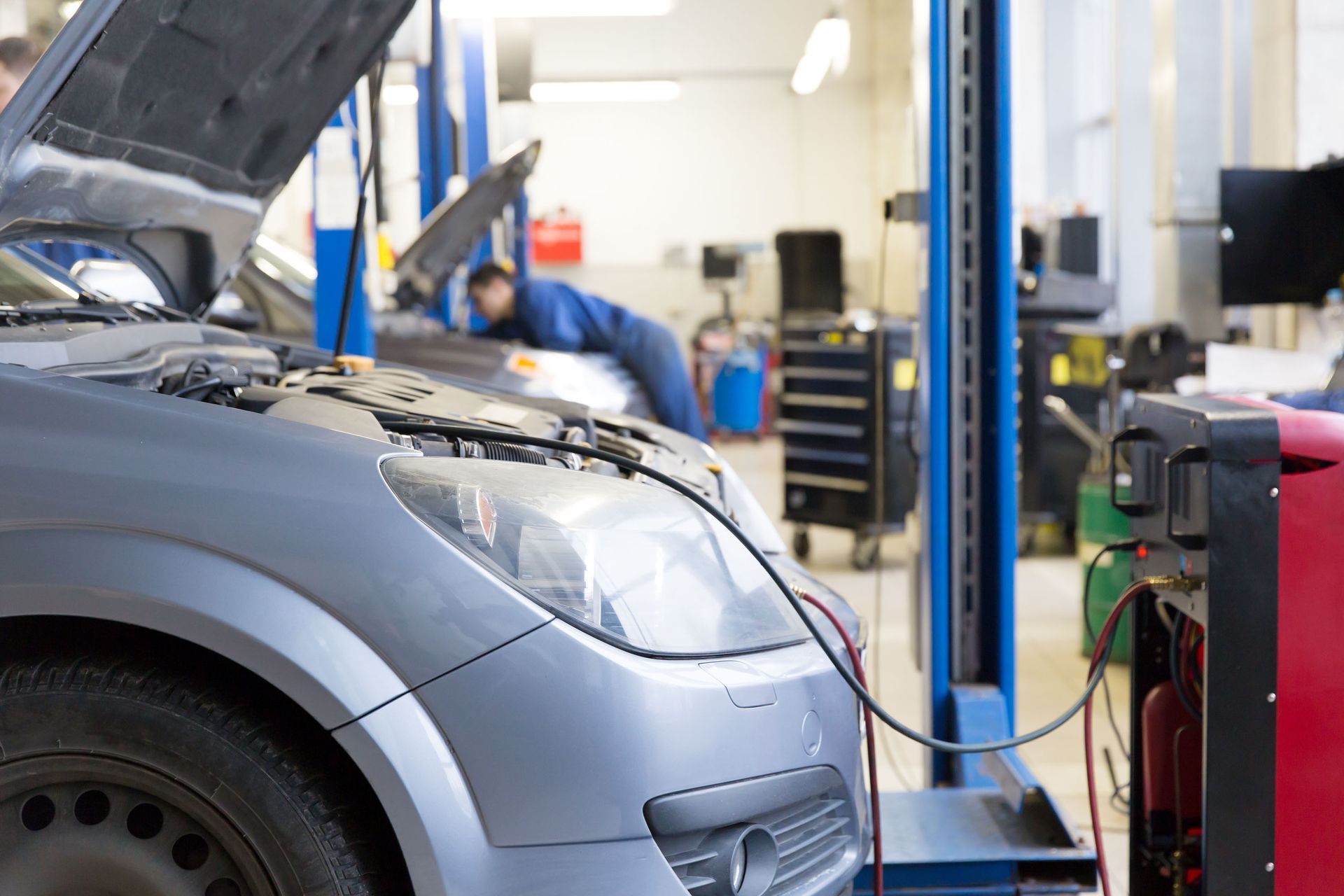
According to AutoLeap, the typical vehicle is around 12 years old, with some staying on the road for as long as 15 years. As these aging vehicles continue to operate, their older digital and mechanical safety electronics demand rigorous diagnostics and precise recalibration to remain effective. Specialized automotive service centers utilize dedicated diagnostic computers and physical target arrays to recalibrate these digital sensors back to original specifications. Seeking assistance from competent local auto repairs ensures that these complicated electronic safety systems complement driver actions rather than introducing erratic behavior due to uncalibrated sensors.
Preventing Catastrophic Engine Failures
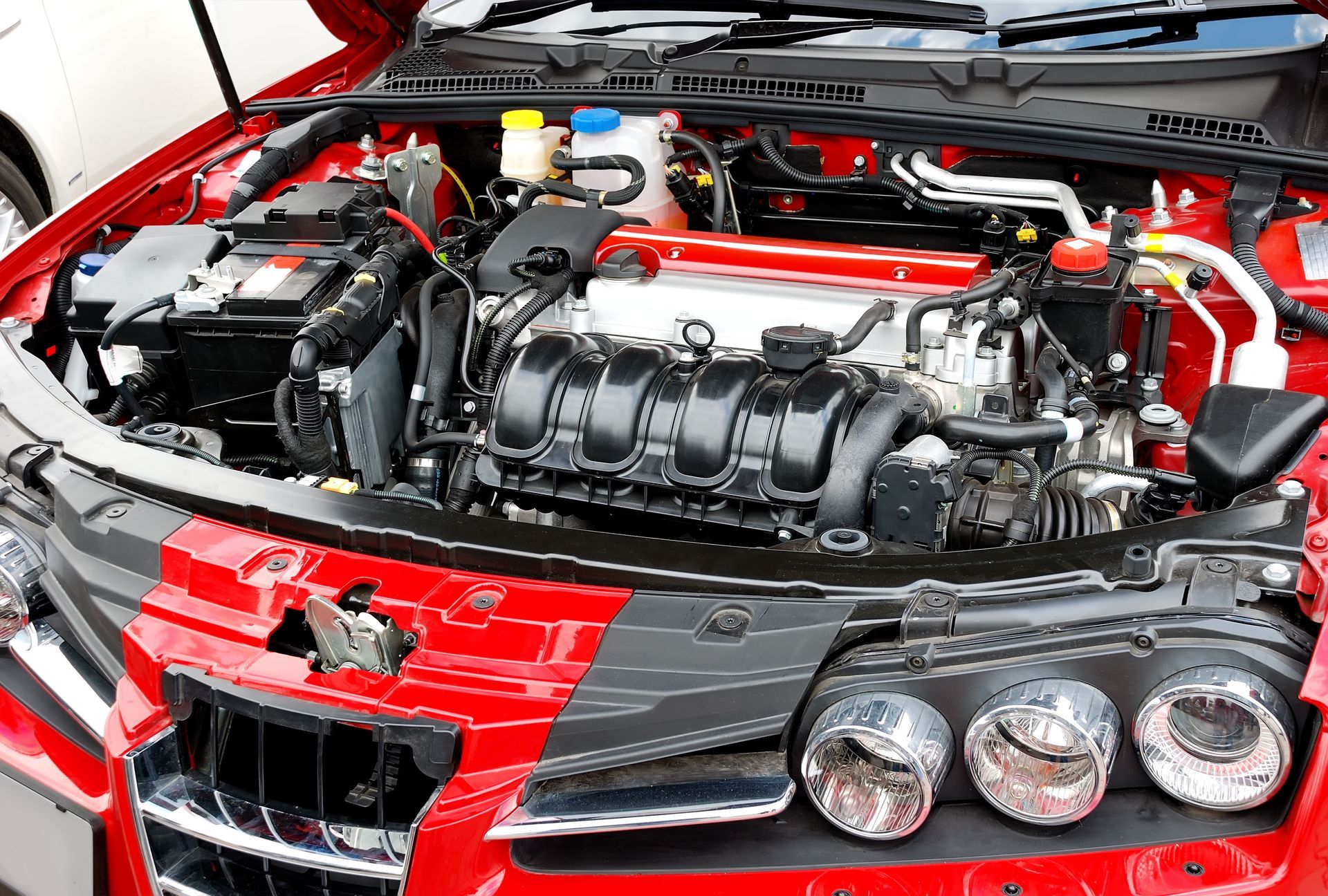
The mechanical health of the internal combustion engine or electric powertrain directly governs the operational safety of an automobile during active transit. A sudden, total engine stall while traveling at high speeds eliminates power steering assistance and reduces power braking capacity, creating an immediate crisis for the driver. Such abrupt power losses are frequently caused by neglected timing belts, clogged fuel delivery systems, or severe engine overheating due to neglected cooling system leaks. A vehicle that loses all forward momentum unexpectedly in the middle of a high-speed highway becomes a stationary target, exposed to severe high-speed rear-end collisions from trailing traffic.
Routine powertrain servicing mitigates these high-risk scenarios by replacing aged belts, flushing depleted engine coolant, and checking vital fluid pressures. Technicians identify hairline fractures in radiator hoses and serpentine belts before they rupture and strand the vehicle in a hazardous location. Utilizing comprehensive local auto repairs provides vehicle owners with peace of mind, knowing that the internal components keeping the vehicle moving are verified as reliable. Maintaining propulsion reliability ensures that drivers can safely merge into fast highway traffic, climb steep grades, and clear busy intersections without experiencing sudden mechanical immobilization.
Ultimately, the continuous safety and roadworthiness of any vehicle rest squarely on the commitment to consistent, professional upkeep. Neglecting warning signs, postponing scheduled component replacements, or overlooking subtle changes in handling characteristics drastically elevates the risk of severe mechanical failures. True vehicle safety is an ongoing process that demands specialized tools, up-to-date diagnostic technology, and verified replacement parts. We at Crossroads Auto Repair are fully dedicated to preserving the structural integrity and protective performance of your vehicle, ensuring that every journey you take is backed by precise mechanical craftsmanship and an unwavering commitment to your personal safety on the road. Contact us today to learn more.