July 9, 2026
Driving a vehicle with a sudden loss of cooling power transforms a routine commute into an exhausting ordeal. When summer temperatures spike, a fully functioning cabin climate control setup becomes a necessity for comfort and physical well-being. Sudden system failures typically catch motorists off guard, leaving them trapped in stagnant air and rapidly rising cabin temperatures. Understanding the root causes of these sudden drops in efficiency allows vehicle owners to recognize warning signs early and seek appropriate professional assistance. Proactive automotive care remains the most effective defense against unexpected environmental discomfort while on the road.
The underlying engineering of a vehicle climate control setup involves an intricate balance of pressurized fluid, mechanical rotation, and electronic logic. When any single component within this network experiences a disruption, the entire heat exchange loop breaks down. Many drivers mistakenly assume that a loss of cold air indicates a simple lack of fluid, but the reality often involves complex mechanical wear or electrical complications. Seeking a professional car AC service ensures that these hidden systemic issues are accurately diagnosed and resolved before minor problems cascade into total component destruction.
1. Noticing Sudden Refrigerant Drops
A primary cause behind the unexpected loss of cold air within a cabin is the depletion of the pressurized chemical medium responsible for heat transfer. When a system springs a leak, the drop in pressure prevents the fluid from transitioning correctly between gaseous and liquid states. This drop in volume forces the internal mechanisms to work significantly harder to achieve minimal temperature changes. Over time, physical vibrations from daily driving can weaken internal seals, rubber lines, and metal connections, causing the specialized fluid to escape slowly or vent rapidly after hitting road debris.
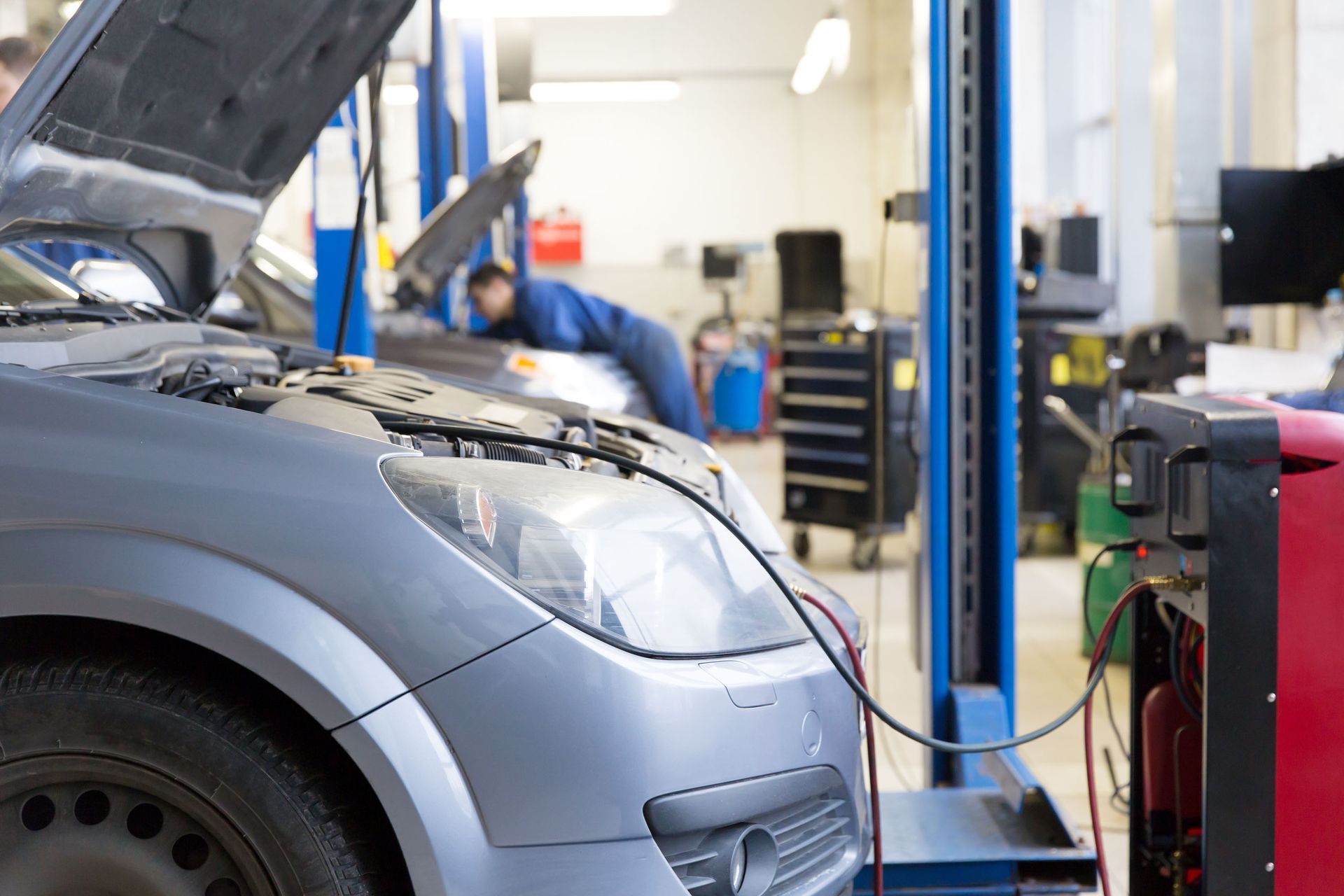
Pinpointing the exact origin of a chemical leak requires specialized diagnostic tools that detect chemical traces or utilize ultraviolet dyes. Because these fluids escape as a gas under high pressure, a simple visual check of the engine bay is rarely sufficient to identify the breach. Professional technicians utilize precise pressure gauges and electronic sniffing equipment during a comprehensive car AC repair service to isolate the compromised seal or line. Resolving a leak promptly prevents external moisture from entering the system, which can mix with internal lubricants to form highly destructive acids.
2. Catching Compressor Malfunctions
The central pump functions as the heart of the automotive climate loop, driving the pressurized medium through the various stages of heat absorption and release. When this mechanical pump undergoes internal failure, the entire circulation process halts instantly, leaving the vents blowing ambient engine heat. Internal mechanical wear, insufficient lubrication, or prolonged operating stress can cause the pump components to cease entirely without warning. A sudden metallic rattling or grinding sound emerging from beneath the hood when turning on the climate settings often indicates that the internal pump components are breaking apart.
Clogged filters or refrigerant overcharging can strain the compressor, causing it to overheat and eventually fail. According to AutoLeap, more than 40% of vehicle owners depend on reactive maintenance instead of following a regular service schedule, often contributing to such failures. Regular maintenance can mitigate this by ensuring the system remains clean and well-lubricated. When a pump undergoes complete mechanical destruction, it often spreads microscopic metallic debris throughout the surrounding lines, requiring a thorough flush and component replacement during a specialized car AC repair service to protect the replacement hardware.
3. Observing Complex Electrical Faults
Modern climate setups rely heavily on an intricate web of sensors, relays, fuses, and control modules to orchestrate daily operations. A blown fuse, a corroded grounding wire, or a failing relay can interrupt the electrical command path, preventing crucial components from engaging. If the digital control module cannot communicate with the cooling fans or the pump clutch, the system will refuse to initiate the cooling cycle as a safety precaution. These electrical disruptions can occur instantly due to moisture intrusion, voltage spikes, or basic wire degradation from engine heat.
Tracking down an intermittent electrical fault requires specialized multi-meters, wiring schematics, and diagnostic scan tools capable of reading climate control error codes. A simple loose connection can mimic the symptoms of a catastrophic mechanical failure, highlighting the importance of methodical electronic testing. Entrusting the vehicle to a dedicated car AC repair service allows experts to verify current flow, test sensor resistance, and check module commands without damaging sensitive onboard computers. Resolving these electrical faults early protects the vehicle from broader electrical shortages and irregular battery drains.
4. Finding Obstructed Condenser Coils
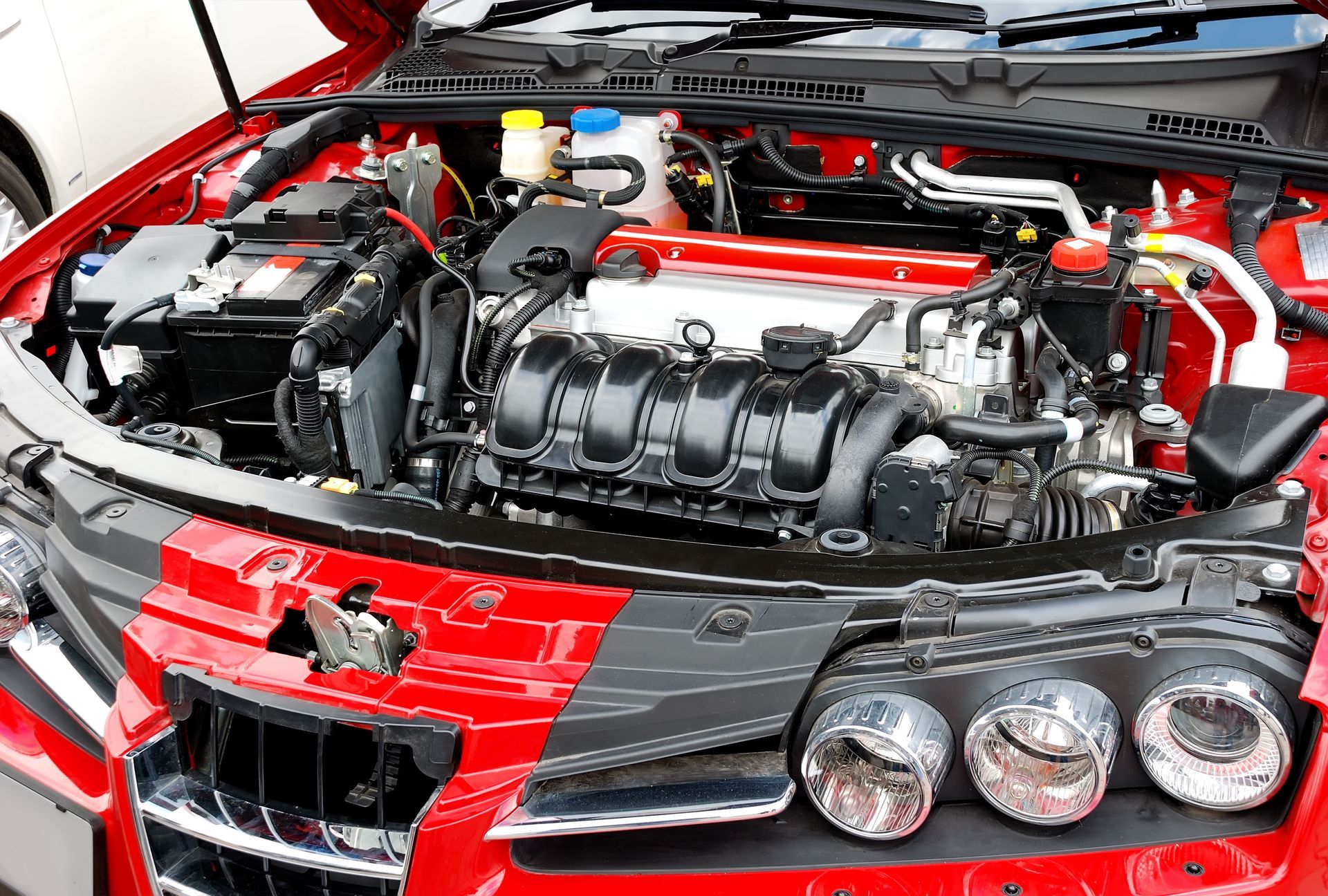
The front-mounted radiator coil serves as the primary gateway for releasing captured cabin heat into the outside environment. As the vehicle travels down the highway, ram air passes through the thin aluminum fins of this coil, cooling the high-pressure fluid running inside. Because of its position at the very front of the vehicle, this component is constantly exposed to road grime, insects, leaf fragments, and flying gravel. Over time, a thick layer of external debris can accumulate across the exterior surface, creating an insulating blanket that blocks essential airflow.
When airflow becomes restricted, the internal fluid cannot release its trapped heat, causing system pressures to climb to dangerous levels. This spike in operational pressure forces the mechanical pump to operate under extreme load, drastically reducing the cooling output inside the cabin. A thorough inspection during a professional car AC repair service can reveal whether the delicate aluminum fins are simply dirty or physically bent from road impact. Straightening bent fins and using specialized chemical washes ensures that the heat exchanger regains its optimal thermal transfer capabilities.
5. Monitoring Internal Valve Restrictions
The precise regulation of fluid expansion inside the climate loop is controlled by a specialized metering valve situated just before the interior evaporator. This small component restricts the flow of high-pressure liquid, forcing it to drop in pressure and transform into a cold mist that absorbs cabin heat. If this valve becomes restricted by internal debris, moisture, or particulate matter, the fluid flow becomes completely blocked. This restriction causes an immediate loss of cooling performance, occasionally causing the interior evaporator lines to freeze solid and block all air movement.
Diagnosing a failed expansion valve requires monitoring both the high-side and low-side pressures simultaneously using a professional gauge manifold. Extreme pressure differentials or a sudden vacuum on the low side typically indicate that the internal metering device has failed or become clogged. Replacing this restricted component requires recovering the internal fluid safely using specialized workshop machinery. A certified car AC repair service ensures that the internal loop is carefully evacuated, the valve replaced, and the system recharged to factory specifications.
Maintaining a consistent climate inside a vehicle requires a proactive approach to automotive care that addresses minor component wear before it results in a sudden system shutdown. Overlooking subtle drops in airflow, minor structural noises, or delayed cooling performance frequently leads to expensive mechanical breakdowns during the hottest times of the year. Investing in a professional
car AC repair service ensures that potential pressure imbalances, electrical faults, and debris accumulations are addressed by experienced technicians using the correct diagnostic equipment. Prioritizing these routine inspections preserves the operational life of the entire vehicle climate network while ensuring every journey remains completely comfortable. For comprehensive diagnostics and precise climate control adjustments, schedule an appointment with Crossroads Automotive to ensure your vehicle remains prepared for any weather conditions ahead.